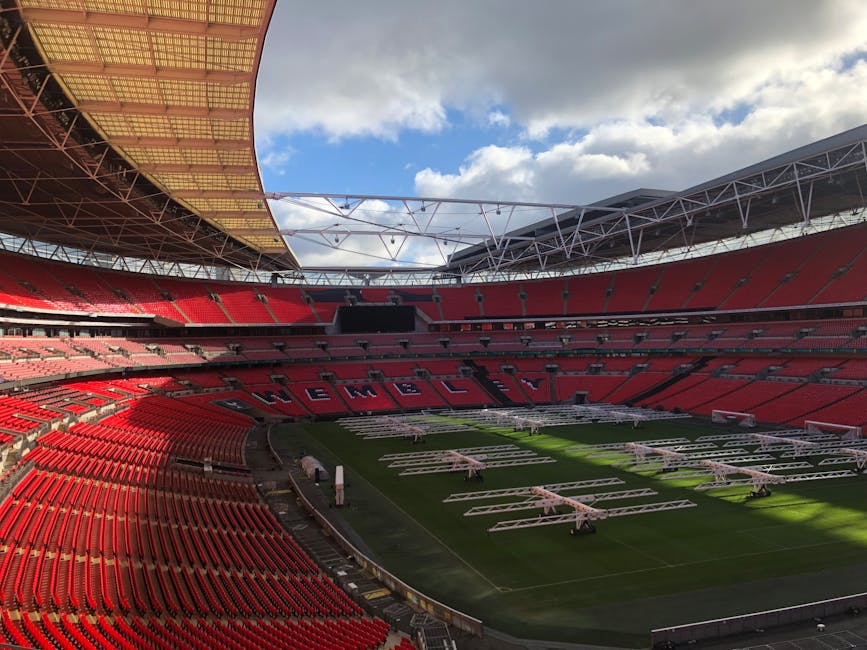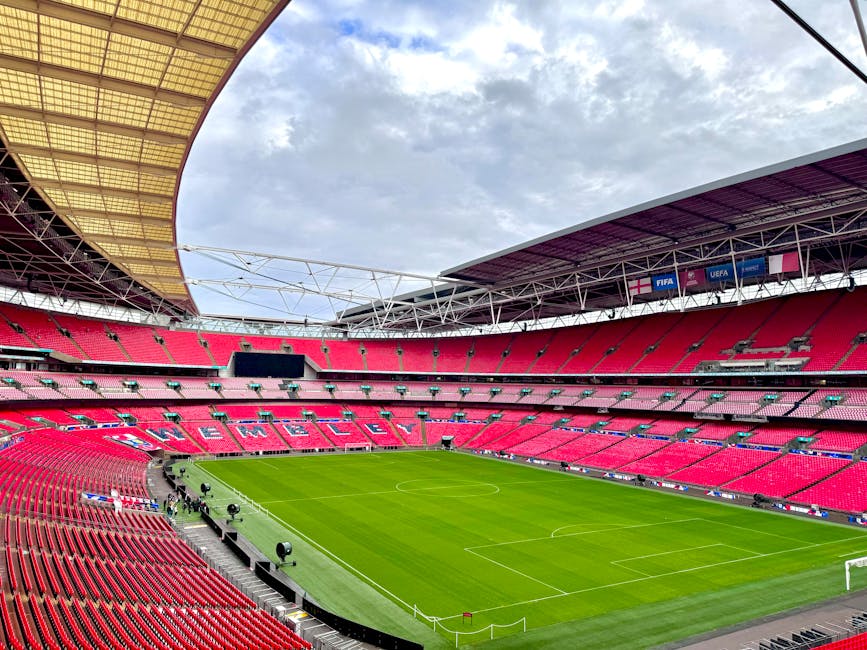
Wembley Stadium Event Rubbish Collection Plan for Venues
Running an event near Wembley is exciting, but the clean-up can be the part everyone quietly worries about. The crowd leaves, the music stops, and suddenly you are looking at bins full of cups, food waste, packaging, confetti, cable ties, and the odd forgotten poster board. A solid Wembley Stadium event rubbish collection plan for venues is what keeps that final phase calm, safe, and under control. It is not just about tidiness. It is about flow, safety, compliance, neighbour relations, and making sure the venue is ready for the next day without panic.
This guide breaks the process down in plain English. Whether you manage a stadium-adjacent hospitality space, a pop-up fan zone, a corporate hospitality suite, or a smaller venue hosting matchday activity, you will find practical steps you can actually use. And yes, we will keep it realistic. Event waste has a habit of growing faster than anyone expects.
Why Wembley Stadium event rubbish collection plan for venues Matters
At Wembley, waste builds up fast because the event rhythm is compressed. Guests arrive in waves, refreshment areas peak suddenly, and then the exit surge hits all at once. If your rubbish collection plan is vague, the venue can feel messy within minutes. Overflowing bins are not just ugly; they create slip hazards, block routes, slow stewarding teams, and make a busy site feel less professional than it should.
There is also the neighbour factor. Wembley is in a busy part of North West London, and venues have to think about how waste moves on and off site without causing extra disruption. You are dealing with noise, traffic pinch points, limited holding space, and the simple fact that a big event does not politely end in small, neat bags. It ends with mountains of mixed material. That is the reality.
A good plan helps you stay ahead of the mess rather than reacting to it. It also supports smoother handovers between operations teams. In our experience, the best event clean-ups are rarely dramatic. They are organised, slightly boring, and very effective. That is exactly what you want.
Expert summary: The best event waste plans are built before the first guest arrives. They define where waste goes, who handles it, what gets separated, when collections happen, and how the venue clears down after the last attendee leaves.
If your venue also needs broader clearance support before or after the event, it can help to look at rubbish collection and rubbish removal services as part of the wider operational picture.
How Wembley Stadium event rubbish collection plan for venues Works
The process is really a chain of decisions. First, you estimate the type and volume of waste the event will create. Then you decide where bins, sacks, cages, or holding areas should sit. After that, you set collection frequency, sorting rules, and a clear route for removal. The whole thing should be designed around crowd movement, catering activity, and access for clean-up staff or waste vehicles.
A strong plan usually covers four layers:
- Front-of-house control: bins in the right places, with clear labels and enough capacity for the footfall.
- Back-of-house handling: a dedicated area for staging full sacks, cages, or containers before collection.
- Timed collections: removals scheduled to avoid crowd surges, deliveries, and other high-traffic windows.
- Post-event clear down: a final sweep for leftover packaging, missed waste, and bulky items.
For venues near Wembley, timing matters as much as capacity. If a collection crew arrives at the wrong moment, they can end up boxed in by pedestrians, service vehicles, or event security procedures. A well-built rubbish collection plan should align with the venue's live operations, not sit there looking tidy on paper and useless in real life.
Think of it like setting up backstage for a show. Nobody sees the bins, the holding bay, or the sack swap, but if one part fails, everybody notices. Usually at the worst possible moment.
Venues often combine event-day waste handling with follow-up clearance support, especially when they generate mixed material such as furniture packaging, display fixtures, or temporary structures. In those cases, a service like waste clearance can be useful after the event, while business waste arrangements are better suited to ongoing site operations.
Key Benefits and Practical Advantages
A good event rubbish collection plan is not a nice extra. It saves time, reduces stress, and helps the entire venue run more professionally. The benefits show up very quickly once the event starts filling up.
- Cleaner guest areas: fewer overfilled bins, less litter, and a better visitor experience.
- Safer walkways: less waste on floors, less clutter near exits, and fewer trip or slip risks.
- Faster close-down: teams know exactly where to move waste and how to clear it.
- Better recycling separation: easier sorting leads to cleaner material streams.
- Reduced conflict with operations: waste collection does not have to interfere with security, catering, or crowd movement.
- More predictable costs: planned collections are usually easier to budget for than last-minute fixes.
There is also a reputation benefit that people sometimes underestimate. A venue that looks under control after a packed event feels more credible to clients, contractors, and repeat bookers. It signals that the operation is properly managed. That counts.
For venues that regularly deal with bulky leftover items, such as broken fixtures, seating, or temporary furniture, supporting services like furniture disposal and sofa removal can make the post-event phase far easier.
Who This Is For and When It Makes Sense
This kind of plan makes sense for more people than you might think. It is not only for huge sports venues. If your site hosts one-off events, seasonal crowds, hospitality activity, or temporary installations, you probably need a structure for rubbish collection.
It is especially relevant for:
- stadium-side venues and hospitality spaces
- event organisers managing fan zones, screenings, launches, or private functions
- catering teams and bar operators with heavy packaging waste
- venue managers planning clean-down after a full-capacity night
- fit-out and production teams using temporary structures or decor
- sites with limited storage and awkward access, which is common around busy London locations
If the event is small, you might not need a complex system. But once you have multiple waste streams, repeat service windows, or bulky waste at the end, planning becomes worthwhile very quickly. Truth be told, that point arrives sooner than most people expect.
Venues in nearby neighbourhoods such as Kingsbury, Hendon, and Wembley often face the same pressure: limited loading space, high footfall, and tight turnaround times. Even when the exact event format changes, the waste headache tends to look very similar.
Step-by-Step Guidance
A practical plan is easiest to build when you move through it in order. Here is a simple framework that works for most venues.
- Map the waste sources. Identify where rubbish will be generated: entrances, bars, kitchens, VIP areas, seating zones, back-of-house areas, and external spaces.
- Separate the waste streams. Decide what can be recycled, what is general waste, what is food waste, and what counts as bulky or special handling material.
- Place bins where people actually walk. This sounds obvious, but it is often missed. If guests have to hunt for a bin, litter wins.
- Set collection intervals. Do not wait until bins are full to overflow. Match collection frequency to peak demand windows.
- Create a back-of-house holding area. This should be secure, accessible, and out of guest sight where possible.
- Brief staff and contractors. Everyone should know what goes where, who moves full sacks, and who to call if the system starts failing.
- Run a final sweep. After the crowd leaves, check corners, seating rows, service paths, and temporary structures.
One useful trick: do a walk-through at the same time of day the event will peak. A plan that looks fine at 10 a.m. can collapse at 8 p.m. when the lights are low, the bins are half-hidden, and everyone is moving faster.
If the waste includes construction-style debris from staging, signage, or temporary set-up, then builders waste support can be relevant, especially where timber offcuts, fixings, or packaging piles up behind the scenes.
Expert Tips for Better Results
Small improvements make a huge difference on event days. Here are the details that often separate a smooth operation from a messy one.
- Use visual cues. Colour-coded sacks or labels help staff move quickly, even when they are tired.
- Keep spare liners close. If replacement bags are buried in a storeroom, bins will sit empty for too long.
- Protect collection routes. Waste movement should not cross the busiest guest paths if you can avoid it.
- Plan for wet weather. Rain changes everything. Cardboard gets soggy, surfaces get slippery, and waste volume can increase.
- Use one lead person per shift. Too many voices confuse the process. One lead keeps decisions clean and fast.
And yes, you should expect one or two surprises. A bin will get moved. A service door will be blocked. Someone will put catering waste in the wrong sack. It happens. The trick is building a system that can absorb the wobble without the whole thing unraveling.
For venues that need more general ongoing support, it can help to pair event waste planning with waste collection or broader waste removal arrangements so the site stays clear between event cycles.
Common Mistakes to Avoid
A lot of event waste problems come from the same handful of mistakes. The good news is that most of them are preventable if you spot them early.
- Underestimating volume: a half-full venue can still generate a shocking amount of packaging and food waste.
- Placing bins too far away: people will not walk across a crowded area just to find one.
- Mixing waste streams: once everything is thrown together, recycling becomes much harder.
- Ignoring access: if collection crews cannot reach the holding area, the plan breaks down.
- No named decision-maker: when something changes, everyone needs to know who says yes or no.
- Forgetting the final sweep: the last 10% of waste is often what leaves the worst impression.
A quieter mistake is assuming the clean-up is "someone else's problem". In a busy venue, waste touches everyone: catering, stewarding, facilities, security, and operations. If one team is out of step, the others feel it immediately.
Tools, Resources and Recommendations
You do not need a huge toolkit, but you do need the right basics in the right places. Think practical, not fancy.
| Tool or resource | What it helps with | Best use case |
|---|---|---|
| Colour-coded bins or sacks | Simple waste separation | Busy public-facing areas where speed matters |
| Labelled holding bays | Back-of-house control | Venues with multiple contractors or shift teams |
| Event operations checklist | Consistency across shifts | Repeat events and matchday operations |
| Timed collection schedule | Prevents overflow | High-footfall events with predictable peaks |
| Bulky waste service | Removes large items safely | Temporary furniture, broken fixtures, set dressing |
A venue can also benefit from clearance support before or after events. For example, office clearance is useful if back-office or admin spaces are being reset after a long event cycle, while rubbish clearance is a flexible option when the exact mix of waste is less predictable.
If the venue is refreshing external areas, temporary storage, or hospitality overflow space, you might also find garage clearance and home clearance style support useful where mixed items need removing in one go. Not every venue needs that, of course, but for smaller hospitality spaces it can be surprisingly handy.
Law, Compliance, Standards, or Best Practice
Any event waste plan should be grounded in sensible UK waste practice. You do not need to turn it into a legal essay, but you do need to take duty of care seriously. That means using responsible carriers, keeping waste appropriately contained, separating material where practical, and making sure rubbish is taken to suitable disposal or recovery routes.
For venues, best practice usually includes the following:
- clear responsibility for waste handling within the venue team
- safe storage of waste before collection
- consideration of recycling and reuse where practical
- controlled movement of waste through public and staff areas
- documentation or records where your operation requires them
If your event includes food service, drinks service, temporary fit-out work, or back-of-house build activity, the waste profile can change quickly. In those cases, the safest approach is to treat compliance as part of operations, not as an afterthought. That simple shift saves trouble later.
It is also worth making sure your internal process matches the venue's wider health and safety arrangements. You do not want waste sacks left across fire routes, bin lids left open, or collection points placed where guests naturally bunch up. Those are small mistakes until they are not.
Options, Methods, or Comparison Table
Different venues need different collection methods. The right choice depends on event size, waste volume, access, and how quickly the site has to reset.
| Method | Best for | Strengths | Watch-outs |
|---|---|---|---|
| On-site scheduled collection | High-footfall events | Prevents overflow and keeps public areas tidy | Needs strong timing and site access |
| End-of-event clear down | Smaller or shorter events | Simple to organise | Can fail if waste builds up too much during the event |
| Mixed waste clearance | Events with varied leftover material | Flexible and efficient | Sorting quality may be lower |
| Separated collection streams | Venues focused on recycling | Better separation and cleaner handling | Needs more staff discipline |
For a Wembley Stadium event rubbish collection plan for venues, many operators end up using a hybrid approach: a live collection system during the event, then a final clear-down afterwards. That tends to work better than relying on one single sweep. One sweep sounds tidy on paper. In the real world, not so much.
Case Study or Real-World Example
Imagine a medium-sized hospitality venue supporting a Wembley event night. There is a pre-match rush, a busy interval, and a full exit within a short window after the final whistle. The venue serves drinks, snacks, and packaged items, while a separate team sets up temporary branding and display materials.
Without a plan, the bins at the main entrance fill first. Guests leave cups on ledges. Staff start improvising with spare sacks. One collection point becomes blocked by a trolley. The clean-up team then spends the next hour moving waste across routes that should have stayed clear. It is chaotic, and you can almost feel the pressure rising.
With a plan, the picture changes. Bins are placed near natural crowd movement. A back-of-house holding point is prepared before doors open. One team member monitors waste at peak points and calls for a collection at the right time. Packaging is separated from general rubbish where practical. After the last guest leaves, the venue does a quick sweep, clears the service zone, and resets with far less effort.
The difference is not magic. It is planning. Small decisions, made early, save time later. That is the whole game.
Venues handling spillover items after events may also use targeted support such as flat clearance for compact mixed contents, or house clearance where a larger volume of mixed items needs to go in one coordinated visit. It depends on the site, but the principle is the same: remove the clutter cleanly and quickly.
Practical Checklist
Use this checklist before doors open. It keeps the plan honest.
- Have you mapped all waste generation points?
- Are bins placed where guests naturally pass?
- Have you separated general waste, recycling, and food waste?
- Is there a secure back-of-house holding area?
- Do staff know who leads waste decisions on shift?
- Are collection times aligned with crowd peaks and service windows?
- Are service routes clear of guests, trolleys, and storage clutter?
- Have you planned for final clear-down after the event?
- Do you have a backup option if waste volume is higher than expected?
- Has the team been briefed on safety, access, and segregation rules?
Quick reminder: a great plan is one that still works when the evening gets loud, busy, and a bit messy. That is the real test.
Get a free quote today and see how much you can save.
Conclusion
A Wembley Stadium event rubbish collection plan for venues is really about keeping control when the pace picks up. It protects the guest experience, supports safety, helps the venue reset faster, and reduces avoidable stress for everyone involved. The more active the event, the more valuable the plan becomes.
Keep it simple, keep it visible, and keep it realistic. Map the waste, set the route, define the timing, and make one person responsible for the live decisions. That alone puts you ahead of many event operations that are still doing everything on instinct. And honestly, instinct is useful, but it is not enough when the bins are overflowing and the crowd is still moving.
If you get the structure right, the clean-up stops feeling like a crisis and starts feeling like part of a well-run event. That is the standard worth aiming for.
Frequently Asked Questions
What is a Wembley Stadium event rubbish collection plan for venues?
It is a practical system for managing, collecting, separating, and removing waste during and after an event near Wembley Stadium. It covers bin placement, collection timing, storage, and final clear-down.
Why do venues need a specific plan instead of just extra bins?
Extra bins help, but they do not solve access, timing, sorting, or collection flow. A proper plan makes sure waste moves through the venue safely and does not interfere with guests or staff.
What types of waste should be considered?
Most venues need to plan for general rubbish, food waste, packaging, recyclables, and sometimes bulky items such as temporary furniture, signage, or event set pieces.
How often should bins be emptied during a busy event?
That depends on footfall, catering volume, and the layout of the venue. The key is not to wait for overflow. Peak periods usually need more frequent checks and collections.
Can one collection method work for every venue?
Not really. Smaller events may only need a clear-down after the event, while bigger, busier venues usually need live collections as well. Many sites use a hybrid approach.
How do venues keep waste collection from disrupting guests?
By planning waste routes away from the busiest walkways, using timed collections, and placing bins where people naturally pause. Good planning makes the process almost invisible to guests.
What should happen to bulky waste after an event?
Bulky items should be removed through a suitable clearance or disposal process, not left in service areas. If the items are mixed or awkward, specialist removal can save a lot of time.
Is recycling realistic at high-capacity events?
Yes, but only if the venue sets it up properly. Clear labels, staff briefings, and sensible bin placement make it much more realistic. If everything is mixed from the start, recycling becomes much harder.
What is the biggest mistake venues make with event rubbish?
Underestimating the volume and waiting too long to collect it. A full bin is already late. By the time it looks bad, the system has usually been under strain for a while.
Do smaller hospitality venues near Wembley need the same level of planning?
Usually yes, just on a smaller scale. A compact venue may have less waste, but it often has less storage and tighter access, which makes planning just as important.
How does weather affect waste collection plans?
Wet weather can increase waste volume and make surfaces slippery. Cardboard, paper cups, and packaging can become heavier and harder to handle, so a plan should always leave some breathing room.
What is the simplest way to improve an existing waste plan?
Start with bin placement and collection timing. If those two things are right, the rest becomes much easier. Add clear labels and a named shift lead, and you will already be in a much better place.