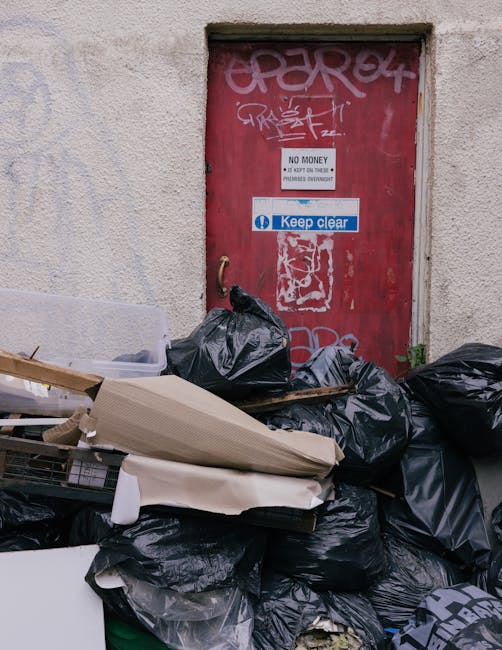
Swiss Cottage rubbish removal guide for residents
If you live in Swiss Cottage, rubbish has a habit of building up at the worst possible time. One weekend it is a broken wardrobe, a few carrier bags of old bits, and some garden clippings. Then suddenly the hallway is full, the bin store is awkward, and you are wondering how to get everything cleared without turning the day into a slog. This Swiss Cottage rubbish removal guide for residents is here to make that easier. It explains how local rubbish removal works, what to expect, where people often go wrong, and how to choose a sensible service for flats, houses, offices, and awkward one-off clearances.
Swiss Cottage sits in a busy part of north-west London, so practical waste handling matters. Space is tight, access can be fiddly, and no one wants bags left in a shared entrance "just for now". Truth be told, a good plan saves time, money, and a fair bit of stress.
Table of Contents
- Why rubbish removal matters in Swiss Cottage
- How rubbish removal works
- Key benefits and practical advantages
- Who this is for and when it makes sense
- Step-by-step guidance
- Expert tips for better results
- Common mistakes to avoid
- Tools, resources and recommendations
- Law, compliance, standards and best practice
- Options, methods and comparison table
- Case study or real-world example
- Practical checklist
- Conclusion
- Frequently asked questions
Why Swiss Cottage rubbish removal guide for residents Matters
Rubbish removal is not just about getting rid of clutter. In Swiss Cottage, it often affects how comfortably you live day to day. A blocked hallway, an overfull cupboard under the stairs, or a pile of renovation waste near the front door can make a flat feel smaller and more chaotic than it really is. And in shared buildings, one person's delay can quickly become everyone else's inconvenience. That is especially true in blocks where lifts are small, stairwells are narrow, or the bin area is already stretched.
It also matters because rubbish is rarely as simple as "put it out and forget it". Different items need different handling. A sofa, for example, is not the same as a bag of mixed household waste. Builders' rubble is a different problem again. If you are clearing a flat, a garage, or a garden, the wrong approach can leave you with extra trips, extra costs, and a lot more lifting than you expected.
For many residents, the real issue is timing. You may have a lease-end deadline, a delivery arriving, relatives visiting, or a tradesperson booked the next morning. That is where a structured approach helps. A service such as rubbish removal or rubbish collection can be far more practical than trying to stretch a few council runs over several weeks. Different households need different solutions, and that is normal.
Key takeaway: In Swiss Cottage, good rubbish removal is about more than disposal. It is about access, timing, item type, and keeping your home or building easy to live in.
How Swiss Cottage rubbish removal guide for residents Works
Most residents will use rubbish removal in one of three ways: a small one-off collection, a larger clearance, or an ongoing waste solution for a property, business, or building. In practical terms, the process tends to follow the same pattern.
- You identify the waste. This could be general rubbish, old furniture, broken appliances, garden waste, or mixed items from a clear-out.
- You separate what needs special handling. Some items are straightforward. Others may require extra care because of size, weight, or material type.
- You arrange collection. A team arrives, loads the waste, and removes it from the property. This can be especially useful in flats where moving items yourself is awkward.
- The waste is taken away for disposal or processing. Good practice means items are handled responsibly rather than dumped somewhere unsuitable.
If you are clearing out a whole room or several bulky items, a broader service such as waste clearance or home clearance may be a better fit. For specific furniture, a more targeted route like furniture disposal or sofa removal can be more efficient.
In a typical Swiss Cottage flat, access is the big practical detail. Is there a lift? Is parking available outside? Can a mattress be carried down a narrow staircase without damaging the walls? These are the unglamorous questions, but they decide how smooth the job feels. A good provider will ask them early. That is a good sign, by the way.
Key Benefits and Practical Advantages
There is a reason so many residents prefer organised rubbish removal instead of piecing things together themselves. It simply works better for busy urban life.
- Saves time: One visit can do the work of several trips to the tip or multiple bin-day waits.
- Reduces lifting and strain: Especially useful for heavy furniture, mixed bags, and awkward items.
- Helps with tight access: Flats, basement storage, and shared entrances are easier to manage with the right help.
- Improves living space quickly: You notice the difference straight away. Rooms feel clearer, lighter, calmer.
- Supports move-outs and refurbishments: Useful before cleaning, decorating, or handing keys back.
- Better for mixed waste: A collection team can often take different item types in one go.
There is also a mental benefit that people underestimate. Clutter creates friction. You keep stepping around it, seeing it, thinking about it. Once it is gone, the whole place feels easier. Not fancy, just true.
For residents in apartments or converted buildings, using flat clearance can be especially helpful when several rooms need sorting at once. If the clear-out is more ambitious, house clearance or waste removal may be more suitable depending on the scale.
Who This Is For and When It Makes Sense
This guide is for anyone in Swiss Cottage who needs a clear, practical way to deal with unwanted items. That includes:
- tenants preparing for a move
- homeowners doing a seasonal clear-out
- landlords turning over a property
- families dealing with inherited belongings
- flat-share residents clearing communal clutter
- small businesses needing discrete waste handling
- people sorting bulky items after redecorating or repairs
It also makes sense when waste is not standard household rubbish. Maybe you have old office chairs, broken shelves, packaging from a delivery, or a few bags of rubble after minor building work. In those cases, the right route may be more specific than a basic bin-day solution. For example, builders waste is a different category from household clutter, and using the right service can save a lot of back-and-forth.
For local shops, clinics, or small workspaces, waste handling also needs to fit around customers and staff. A business waste arrangement may be more appropriate than a one-off domestic-style collection. Same neighbourhood, different needs.
Step-by-Step Guidance
If you want the process to feel manageable, break it down. That is usually where the stress disappears.
1. Walk through the property and sort by category
Start with a simple sweep of the room, loft, garage, balcony, or storage cupboard. Group items into categories: keep, donate, recycle, remove, and unsure. Do not overthink it. If you spend twenty minutes debating a torn chair cushion, you will lose momentum fast.
2. Separate bulky items from loose rubbish
Bulky pieces such as wardrobes, mattresses, shelving, and sofas need more planning than mixed bags. Loose rubbish can often be handled alongside other waste, but bulky items need space, lifting help, and a clear route out.
3. Check access before collection day
Measure doorways if needed. Think about stair turns, parking restrictions, lift access, and whether a permit or loading space may be needed. A quick look out of the window in the morning can save an annoying delay later.
4. Be clear about what is included
When booking, describe the waste honestly. Mixed waste, furniture, soil, or building debris may all affect how the job is handled. The more precise you are, the fewer surprises there will be. Nobody likes surprise surprises.
5. Prepare the items for easy loading
If possible, place items together in one area. Keep walkways open. Tape up loose bags if they are likely to split. If a sofa can be moved nearer the entrance safely, that can speed things up. Do not drag heavy pieces across polished floors unless you enjoy regret.
6. Ask how the waste will be handled
A responsible provider should be able to explain the general disposal route in plain English. Some waste may be reused, some recycled, and some disposed of through licensed channels. If the answer is vague or evasive, that is worth noting.
7. Confirm completion and leave the site tidy
Once the waste is gone, check the area properly. Look behind doors, under tables, and in corners. Small scraps often hide in plain sight. It takes two minutes and avoids that annoying "we missed one bag" moment later.
Expert Tips for Better Results
Over time, one thing becomes obvious: the smoothest rubbish removal jobs are the ones where residents make a few smart decisions early.
- Book before the deadline pressure hits. End-of-tenancy panic is real. Better to sort it a day or two early if you can.
- Use the right service for the job. A single sofa is not the same as a full flat clear-out. Matching the job to the service matters.
- Keep one "do not remove" zone. If you are sorting mixed belongings, protect passports, papers, chargers, and anything small but valuable.
- Photograph problem items. This helps when you need to explain size, condition, or access. Handy, and very low effort.
- Think about neighbours. Shared hallways and early-morning noise can create avoidable friction. A little courtesy goes a long way.
- Use clearance services for larger jobs. If you are clearing several areas at once, a broader option like rubbish clearance or waste collection can be more efficient than trying to manage it piecemeal.
One small but useful tip: label bags or stacks by room if the job is part-clearance, part-declutter. It sounds fussy. It is not. It just makes everything smoother, especially if you are sorting in a hurry on a rainy Saturday afternoon.
Common Mistakes to Avoid
Most rubbish removal headaches come from the same few missteps.
- Leaving everything until the last day. That is how small jobs become rushed, noisy, and expensive-feeling.
- Not describing the waste properly. Mixed materials, heavy items, or awkward access should never be a mystery.
- Putting prohibited or specialist items into general rubbish. Some items need separate handling.
- Forgetting about parking or access. In Swiss Cottage, that can turn into a real delay, especially around busy streets and shared entrances.
- Using the wrong type of clearance. A garage full of old boxes is not the same as a builders' skip replacement job.
- Assuming all services work the same way. They do not. Collection, disposal, and clearance can overlap, but they are not identical.
A common scenario: someone clears a flat, stacks everything by the door, then realises one bulky item cannot fit through the route they planned. Suddenly the whole sequence changes. A little planning up front prevents that awkward shuffle.
Tools, Resources and Recommendations
You do not need much to handle a standard clear-out well, but a few simple tools make life easier:
- strong bin bags for loose waste
- gloves for rough or dusty items
- packing tape for sealing bags
- a marker pen for labelling
- a trolley or sack truck for heavier loads, if available
- a tape measure for awkward furniture or access checks
For larger domestic projects, a broader service like waste disposal may suit mixed materials, while furniture disposal works well for one-off heavy items. If you are dealing with outdoor clutter after a trim-back or a garden tidy-up, garden clearance is often the sensible route.
There is also a quieter kind of resource: common sense. If something looks sharp, heavy, damp, unstable, or contaminated, stop and think before moving it. No heroics needed.
Law, Compliance, Standards and Best Practice
Residents do not need to become waste-law experts, but a few basics are worth knowing. In the UK, waste should be handled responsibly and passed to appropriate licensed channels. If you hire a service, you want confidence that the provider is operating properly and not cutting corners. That is not just a formal point; it helps protect you from the mess that can follow poor disposal.
Best practice also means being careful about segregation. Mixed domestic waste, electrical items, furniture, garden waste, and builders' debris are not all treated the same way. Some loads can be reused or recycled where appropriate, while others need disposal. A sensible provider will explain this without making a meal of it.
For residents, the practical rule is simple: do not leave waste in shared spaces for longer than necessary, do not obstruct fire exits, and do not assume someone else will deal with it. In block living, that courtesy matters. A lot, actually.
If you are organising clearance for a rental property, end-of-tenancy handover, or refurbishment, keep records of what was removed and when. That kind of basic housekeeping can help avoid confusion later. Nothing dramatic. Just tidy admin, which is often half the battle.
Options, Methods, or Comparison Table
Choosing the right approach depends on how much waste you have, what type it is, and how quickly it needs to go. Here is a simple comparison to help you decide.
| Option | Best for | Strengths | Limitations |
|---|---|---|---|
| One-off rubbish collection | Small to medium mixed waste | Quick, straightforward, flexible | May not suit very large clearances |
| Rubbish removal | General household or bulky waste | Good all-round solution, less lifting for you | Needs clear access and item description |
| Flat clearance | Flats, conversions, shared buildings | Well suited to apartment living and access constraints | May be more than needed for a single item |
| Furniture disposal | Sofas, tables, wardrobes, mattresses | Efficient for bulky pieces | Not ideal for mixed loose rubbish only |
| Builders waste | DIY or renovation debris | Handles heavier material types | Needs correct categorisation |
If you are unsure where your job fits, start with the simplest description: what the waste is, how much there is, and where it is located. That usually points you to the right option pretty quickly.
Case Study or Real-World Example
A typical Swiss Cottage scenario goes like this. A resident in a second-floor flat has spent months gathering broken chairs, old lamps, a collapsed bedside table, and several bags of mixed clutter after a room refresh. There is also a worn-out sofa that has been squeezed into the living room corner for far too long. The building has a narrow stairwell, limited parking, and a fairly unforgiving entrance turn.
Rather than trying to remove everything alone over several days, the resident groups the items by type and books a single clearance visit. The sofa is handled through a dedicated sofa removal service, while the remaining mixed items are handled as part of broader rubbish clearance. The key difference is that the load is planned around access, not just volume.
What changed most was not just the empty floor space. It was the feeling of the flat. The room stopped looking half-finished and started looking like somewhere someone actually lived again. Small thing, big effect.
Another example: a landlord preparing a rental in Swiss Cottage needs old furniture and left-behind bags removed before cleaners arrive. The efficient route is usually to combine clearance categories rather than booking several separate moves. That keeps disruption down and keeps the property turnover moving.
Practical Checklist
Before collection day, run through this list:
- Have I identified exactly what is going?
- Have I separated keep, donate, recycle, and remove items?
- Is any item bulky, heavy, or awkward to carry?
- Have I checked access, stairs, lifts, and parking?
- Are there any items needing special handling?
- Have I cleared a path from the room to the exit?
- Have I protected floors and walls if needed?
- Do neighbours or building managers need to know?
- Have I confirmed the date, time, and scope of the job?
- Have I kept valuables, documents, and essentials safely aside?
If you can tick most of those off, you are in good shape. Honestly, that is usually enough.
Conclusion
Swiss Cottage rubbish removal does not need to be complicated. Once you understand the type of waste, the access issues, and the scale of the job, the rest becomes much more manageable. Whether you are clearing a single bulky item, sorting a flat after a move, or dealing with mixed household waste, the best results come from a simple plan and the right service choice.
The biggest win is not just a cleaner space. It is the relief of getting it done properly, without multiple half-finished trips, stressy stairwell carries, or bags waiting in the wrong corner for too long. In a busy part of London, that matters. A tidy home is easier to live in, easier to maintain, and usually a lot calmer to come back to at the end of the day.
If you are weighing up your options, take a minute to compare your waste type, your access, and how quickly you want the space cleared. That one minute can save a much longer headache later.
Get a free quote today and see how much you can save.
And if you are still staring at the pile and wondering where to start, start small. One bag, one chair, one corner of the room. The rest tends to follow.
Frequently Asked Questions
What is the best way for residents to arrange rubbish removal in Swiss Cottage?
The best approach depends on the amount and type of waste. For a few bulky items, a targeted collection is often enough. For larger clear-outs, a fuller rubbish removal or clearance service is usually more practical.
Can I use rubbish removal for flat clearances?
Yes. Flat clearance is a common use case, especially where stairs, lifts, or shared entrances make DIY removal awkward. It is often the most sensible choice for apartments and converted buildings.
How do I know whether I need rubbish collection or waste clearance?
Rubbish collection is often better for a smaller, more straightforward load. Waste clearance is usually a better fit when there is more volume, more mixed material, or a more involved property clean-up.
What happens if I have furniture to dispose of?
Furniture is usually handled separately or as part of a larger load. Services like furniture disposal or sofa removal are designed for bulky household pieces that are hard to move alone.
Do I need to separate garden waste from general rubbish?
It is usually a good idea to separate it. Garden waste can be dealt with more efficiently when it is grouped properly, and a garden clearance service can make that process simpler.
Is builders waste handled differently from household rubbish?
Yes. Builders waste often includes heavier, messier, or more specific materials from DIY or renovation work. It is better to use a service suited to that type of load rather than mixing it with general waste.
What should I check before booking a rubbish removal service?
Check what items are included, how access will work, whether there are stairs or parking limits, and whether the provider has a sensible process for disposal. Clear information upfront prevents most problems.
Can small businesses in Swiss Cottage use these services too?
Yes. Offices and shops often need waste solutions that fit around customers and staff. Business waste services are useful where a domestic-style one-off collection is not the best match.
How can I prepare my home before the collection team arrives?
Group the items together, keep pathways clear, and set aside anything you are keeping. If possible, label or separate loads by room. It saves time and reduces confusion on the day.
Is it worth booking a service for just one bulky item?
Often yes, especially if the item is awkward, heavy, or hard to move through a shared building. One item can still be a big hassle, and letting someone handle it can be surprisingly worthwhile.
What mistakes do residents usually make with rubbish removal?
The most common mistakes are leaving it too late, not describing the waste properly, forgetting about access, and trying to use the wrong service for the job. A bit of planning solves most of that.
How do I choose between general waste removal and a more specific service?
Choose the specific service if your waste is mainly one category, such as furniture, garden waste, or builders' debris. Choose general waste removal when the load is mixed and the job is more all-purpose.